
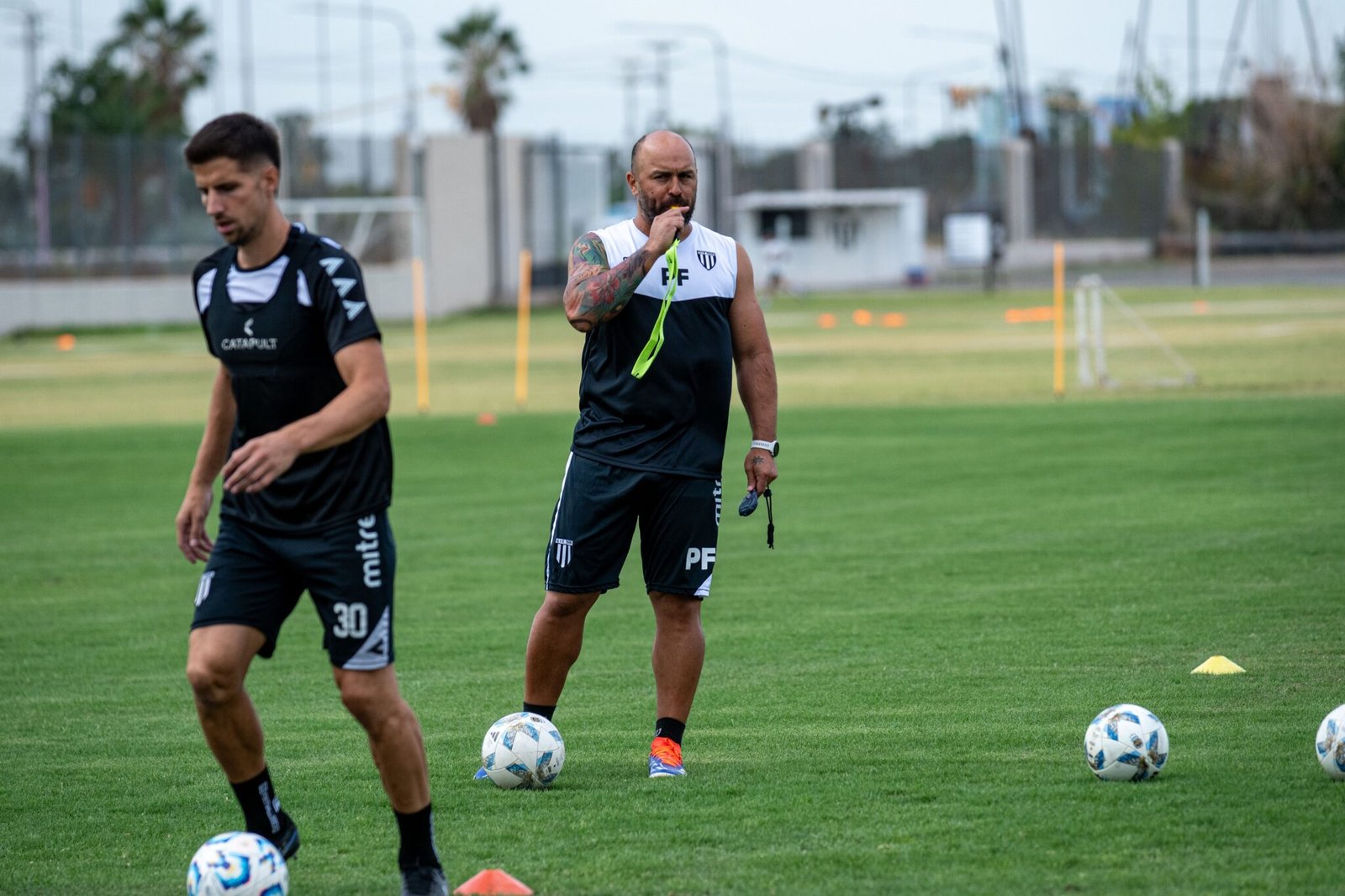
Football academies want to develop players who are skilful, fit and confident in their understanding of the game. Coaches must plan sessions, follow each player’s progress and make sure training is suitable for young athletes. Many academies do this with limited time and staff.
GPS tracking can give coaches useful information about how players move during training and matches. It can show how far they run, how often they reach faster speeds and how the demands of one session compare with another.
Buying GPS vests does not automatically make players better. Coaches need to understand the information, compare it with what they see on the pitch and use it when planning training.
⚽ How coaches can use GPS information
📡 Movement
See how far players run and how often they move at faster speeds.
📊 Training load
Compare training sessions with playing time, player feedback and recovery.
🧠 Coaching decisions
Use the information to guide training. Never use GPS figures alone to rank young players.
Use the numbers to support coaching, not replace it.
An example of how GPS movement can be recorded
This pitch graphic is an illustration. It does not show data from a real player or training session.
⚽ 1. What Is GPS Tracking in Football?
GPS tracking uses signals from satellites to record a player’s movement during training and matches. Players usually wear a small unit in a fitted vest on the upper back. Some devices also contain sensors that record changes in speed and direction.
A GPS system may record:
- Total distance covered.
- Distance covered while running above a set speed.
- Sprint distance and sprint frequency.
- Maximum recorded speed.
- How often a player speeds up or slows down.
- Distance covered per minute.
FIFA groups these products under the name Electronic Performance and Tracking Systems (EPTS). Some combine satellite location information with movement sensors to record a player’s activity. FIFA also publishes guidance on how these systems are assessed. Read FIFA’s EPTS guidance.
For an academy, the information can help answer everyday coaching questions. How much running did the session involve? Did a player complete the planned work? Was the match more demanding than training? Did the exercises produce the type of movement the coach wanted?
🏟️ 2. Why Should Indian Football Academies Consider GPS Tracking?
Indian academies work in very different conditions. Some have performance staff and specialist facilities. Others rely on a small coaching team and a limited budget. GPS can be useful in either setting when coaches know what they want to learn from it.
Better understanding of physical demands
Coaches can see how much running players complete in different exercises. A possession exercise may involve a different amount of movement from a larger game with quick changes between attack and defence. Comparing sessions helps coaches see whether the practice is producing the type of running they expected.
Training plans for each player
Players in the same age group do not all have the same fitness, experience or physical development. GPS figures can help coaches see how much and how intensely each player moves. They can then decide whether a player needs a different training plan or extra fitness work.
Improved training planning
Academies can compare sessions across the week and see how the work changes before and after matches. This can help coaches plan each session, allow time for recovery and decide when players should do harder running.
A clearer record of each player’s progress
When an academy records information regularly, it can follow each player’s progress over time. These records should sit alongside technical assessments, match reviews, fitness tests and the coach’s own observations. The aim is to understand how a player is developing, not to rank young players by one GPS score.

📊 3. Which GPS Metrics Should Football Coaches Monitor?
GPS systems can show many figures. Academies do not need to use them all. Start with a few that help answer clear coaching questions.
Total distance
Total distance shows how far a player travels in a session or match. It gives a basic picture of how much the player moved, but it does not show how hard the running was. A player who jogs for a long time may cover a similar distance to a player who makes repeated sprints, but the physical demands are very different.
High speed running distance
This figure shows how far a player runs above a speed set in the tracking software. It helps coaches see how much faster running takes place in training and matches. Different systems may use different speed settings, so academies should check those settings before comparing results.
Sprint distance and sprint frequency
These figures show how often players sprint and how far they travel during those efforts. They can help coaches review counter attacks, recovery runs, pressing and quick attacking moves. Always consider the player’s position, minutes played and role in the exercise.
Acceleration and deceleration
Acceleration means speeding up. Deceleration means slowing down. These actions are common in football and can make an exercise more demanding. Tracking systems count them in different ways, so use the same settings when comparing sessions.
Maximum speed
Maximum speed is the fastest speed recorded during a session. It can show whether players get the chance to run quickly in training. One reading does not prove how fast a player can run. A weak GPS signal, the position of the unit or a very short run can affect the result.
Relative distance
Distance per minute shows how far a player travels in each minute. It can help coaches compare sessions of different lengths. A short, fast exercise may have a higher figure than a longer session with more walking and slower running.
A good starting point: Record total distance, faster running, sprints, and how often players speed up or slow down. Add other figures only when they help the coaching team.
📡 4. How Can Academies Use GPS Data to Manage Training Loads?
Coaches use the term training load to describe the work a player does in training and matches. They should look at two things. First, the work itself: distance, faster running, sprints and changes of speed. Second, how the player feels: effort, tiredness and recovery. Heart rate can also provide useful information.
GPS records movement, but it cannot tell a coach how tired or ready a player feels. Ask players how hard the session felt and how well they are recovering. Then consider those answers alongside the GPS figures.
Example: A simple week at an academy
| Day | Academy activity | What to review |
|---|---|---|
| Monday | Recovery and technical work | Player feedback and recovery |
| Tuesday | High intensity training | Amount of running and how hard the session felt |
| Wednesday | Tactical and positional work | How much players moved in each exercise |
| Thursday | Match preparation | Faster running and player feedback |
| Friday | Reduced training load | Player feedback and session demands |
| Saturday | Match day | Running figures and minutes played |
| Sunday | Rest | Recovery and preparation for the next week |
This is only an example. It is not a fixed training plan. Coaches should adjust the week for the players’ ages, match schedule, training history and needs.
Combine GPS with player effort ratings
After each session, ask players to rate how hard the training felt using the same simple scale. Coaches can compare their answers over time and consider them alongside the length of the session.
Two players may run the same distance but feel very different afterwards. Coaches should ask why. GPS figures alone cannot explain the difference.
Look for changes over several sessions
One unusually high or low reading does not automatically mean something is wrong. Look at several sessions and consider recent training, match minutes, playing position, illness or injury, sleep, recovery, physical growth, the playing surface and the weather.
A 2026 review of research on boys in academy football found that clubs often combine GPS figures with players’ own ratings of how hard training feels. It also found that clubs use different devices and speed settings. Figures from different systems should not be compared without checking how they were recorded. Read the 2026 research review on training demands in academy football.
🌱 5. Is GPS Tracking Suitable for Youth Football Players?
GPS can be used with youth teams, but coaches must consider each player’s age and stage of physical growth. Young players develop at different rates, even when they are the same age.
An academy should never use GPS figures to decide which young player is more talented or committed. The numbers only show some parts of a player’s physical work. Coaches must also consider football skill, decisions, attitude and progress.

- Put long term development ahead of short term rankings.
- Consider each player’s age and stage of physical growth.
- Do not compare figures recorded with different devices or settings.
- Look at movement figures alongside football skills, game understanding and behaviour.
- Make sure tracking does not put unnecessary pressure on young players.
- Ask qualified coaches or medical staff for help with health and injury decisions.
GPS tracking cannot diagnose an injury or tell a coach that a player will get injured. It may help staff understand how much a player has been running, but decisions about pain, treatment and returning to play must involve qualified medical professionals.
💶 6. How Much Does GPS Tracking Cost for a Football Academy in India?
There is no single price for a football GPS system in India. The cost depends on the brand, number of units, software fees, reports and customer support. Ask each provider for a full quotation. Do not compare devices only by their purchase price.
| What the academy should check | What to check |
|---|---|
| Tracking units | How many units are included and what replacements cost |
| Player vests | Available sizes, quality, washing and replacement |
| Software | Monthly or yearly fees and staff accounts |
| Data storage | How long records are stored and whether they can be downloaded |
| Support | Staff training and help when something goes wrong |
| Reporting | Reports available for players, teams and matches |
| Compatibility | Whether figures can be downloaded or used with other software |
Should a small academy invest in GPS tracking?
Not necessarily as its first investment in player monitoring. An academy with a limited budget may get more value at first from attendance records, player effort ratings, simple fitness tests, questions about recovery and regular coach observations.
Once the academy has a regular way to record and review player progress, it can decide whether GPS would help. Instead of asking, “Which system should we buy?”, ask, “What will our coaches be able to do better with this information?”
🛰️ 7. How to Choose a GPS Tracking System for Football
Before buying a system, look beyond the number of figures listed in the sales brochure.
Check FIFA Quality information
FIFA’s Quality Programme for EPTS includes testing related to device safety and performance. Its published resources provide information about tested systems and their measurement performance. Review the FIFA Quality Programme for EPTS before selecting a product.
Check how consistently the device measures movement
Ask the provider how the device records a player’s location, how often it takes a reading and how accurate it is during fast running. Check how it measures speed changes, how the unit should be worn, how the software handles the figures and how often the system is updated.
Test the system before committing
Ask to test the system during a normal training session. Make sure coaches can read the reports and get help from the provider when they need it.
Evaluate software usability
A system is not useful if it produces lots of numbers that coaches cannot use. Look for clear reports, a record of each player’s progress, session summaries and a simple way to download the information.
Consider the academy’s actual requirements
A professional academy with specialist staff may need more features than a local academy with one or two coaches. Choose a system that suits your staff, budget and players.
🚩 8. Common Mistakes Academies Should Avoid
GPS tracking can become an expensive distraction when coaches do not know what they need from it. Avoid these common mistakes:
- Buying equipment before deciding what you need to learn: Decide what you want to find out before buying the equipment.
- Trying to use every figure the software provides: Choose a few figures that can help coaches plan training.
- Comparing players without considering their role and age: A player’s position, minutes played, physical growth, fitness and the type of exercise all affect the figures.
- Changing devices or settings without keeping a record: When the method changes, it becomes harder to compare one session with another.
- Ignoring what players say: Running figures do not tell the coach everything about how a player feels after training.
- Using GPS as a shortcut to judge talent: Running figures show only one part of a footballer. Skill, choices on the pitch, understanding of the game and willingness to learn matter just as much.
- Making medical decisions from GPS figures alone: GPS figures can help start a conversation, but they must never replace advice from qualified medical staff.
🛡️ 9. Data Privacy and Player Protection
GPS tracking records information about individual players. Academies must handle those records carefully, especially when tracking children.
- What information about each player will be collected.
- Why the academy needs it.
- Who can see each player’s report.
- How long the records will be kept.
- Whether the information is shared with another company.
- How players and parents can ask questions about the use of the information.
- How the academy will protect accounts and player records.
In India, the Digital Personal Data Protection Act, 2023 and the Digital Personal Data Protection Rules, 2025 set out requirements for handling personal information. They are coming into force in stages. A Government notification dated 13 November 2025 says that several provisions, including section 9 on children’s personal data, are scheduled to take effect on 13 May 2027. As of 18 November 2026, those provisions are not yet in force. Academies should explain what information they collect, why they need it, who can see it and how long they keep it. They should also check the legal requirements that apply when they introduce player tracking. Read the official commencement notification and the Digital Personal Data Protection Rules, 2025.
Only collect player information for a clear reason. Tracking should not become unnecessary surveillance or put pressure on young athletes.
⚽ Keep player development first: GPS figures should help coaches plan training. They should never decide a young player’s potential.
🗺️ 10. A Practical GPS Tracking Implementation Plan for Indian Academies
An academy does not need a specialist department to get started. Begin with simple steps and add GPS when there is a clear reason.

📋 Five steps to get started
- 🧭 Record each player’s starting point.
- 📊 Ask players how hard training felt and how they recovered.
- 📡 Test GPS with a small group of players.
- 🧠 Review the figures with coaches and staff.
- ⚽ Add useful notes to each player’s development record.
Keep it simple: Start with information the coaches can use. Add more only when the academy is ready.
Phase 1: Establish the baseline
Write down the academy’s training days, age groups, match schedule, attendance and current player assessments. Agree on the questions the coaches want to answer.
Phase 2: Start with simple monitoring
Ask players to rate how hard each session felt. Record simple feedback about sleep, tiredness and recovery, along with basic fitness results. Make sure coaches collect the information in the same way each time.
🧰 Before training starts
🔋 Charge
Check that each unit is charged and ready to record.
🦺 Fit
Fit the vest and device as the manufacturer instructs.
🏷️ Assign
Check that each unit is assigned to the right player.
📝 Record
Record playing time, substitutions and any unusual training conditions.
Phase 3: Pilot GPS tracking
If GPS suits the academy’s needs and budget, test it with a small group. Fit the devices in the same way and keep the settings consistent.
Phase 4: Review the information
Compare sessions and look at each player’s figures over time. Discuss what they mean with the coaches. Write down any changes made to training and whether those changes helped.
Phase 5: Build a long term development record
Use GPS information alongside skill assessments, match reviews, coaching feedback and the player’s own comments. Review the approach regularly and change it when the academy needs something different.
The aim is to help coaches make better decisions, not to collect numbers for their own sake.
🏁 Conclusion: Technology Should Support Better Football Development
GPS tracking can help Indian football academies understand how much players run in training and matches. Coaches can compare sessions, check how often players sprint and see how each player’s figures change over time.
But a GPS device cannot develop a footballer on its own. Good coaching, careful use of the information and a genuine focus on each player’s progress matter much more.
Many academies should begin by recording attendance, asking players how they feel and reviewing training regularly. GPS can be added later if it solves a real problem.
Good coaching comes first. The right information can help coaches make better decisions and give players a better chance to improve.
❓ Frequently Asked Questions
1. What is GPS tracking in football?
GPS uses signals from satellites and sensors worn by players to record movement during training and matches. It can measure distance, running speed and sprinting.
2. What data does a football GPS vest collect?
Depending on the device, a GPS vest can record total distance, faster running, sprint distance, maximum speed and changes in speed. Some systems can also record heart rate.
3. Which GPS metrics should youth football coaches monitor?
Coaches can start with total distance, faster running, sprints and changes of speed. They should also consider what players say, their training history, age and stage of physical growth.
4. Can GPS tracking help football academies manage training loads?
Yes. GPS can show how much running and movement a session involved. Coaches should also ask players how hard the session felt and how well they are recovering.
5. Is GPS tracking suitable for grassroots football academies?
It can help some academies, but every academy does not need it. Start by recording training and player feedback. Buy GPS equipment only when it will help coaches answer an important question.
6. Does GPS tracking prevent football injuries?
No. GPS cannot prevent injuries or predict exactly when one will happen. Coaches and medical staff may use running information as one part of a wider picture of a player’s health.
7. How much does a football GPS tracking system cost in India?
The price depends on the number of devices, software fees, reports, support and contract terms. Ask providers for a full quotation and compare all costs, not just the price of the units.
8. What should an academy check before buying GPS trackers?
Check how accurately the device measures movement, whether it is safe to wear, how easy the software is to use, whether reports can be downloaded, what support is included and what the full subscription costs.
9. Can GPS tracking measure a footballer’s overall talent?
No. GPS records movement. It cannot judge a player’s touch, passing, vision, creativity, decisions or overall potential.
10. Should parents be informed when an academy monitors young players?
Yes. Academies should tell players and parents why tracking is being used, what information is collected and who can see it. They should get appropriate consent and check the rules that apply to children’s personal information in India.
📚 Sources and further reading
- FIFA: Electronic Performance and Tracking Systems. Technology overview and guidance.
- FIFA: EPTS documents and Quality Programme information.
- FIFA: EPTS testing process and device reports.
- Ministry of Electronics and Information Technology: DPDP Act commencement notification.
- Pexels: image licence.
About Nexathlon
Nexathlon is a sports management and development company working across athlete development, talent scouting, sports tourism, event management and sports business. We help athletes and sporting organisations find the guidance, connections and opportunities they need to grow.
Want to develop your academy?
Explore Nexathlon’s services, read more about wearable technology in football, or contact our team to discuss your academy.
More to read: Wearable Technology in Football: Four Case Studies · Wearable Technology in Sports: How Athlete Tracking Is Changing Performance · Football GPS Trackers for Amateur Teams: What to Compare in 2026