
What is wearable technology in sports?
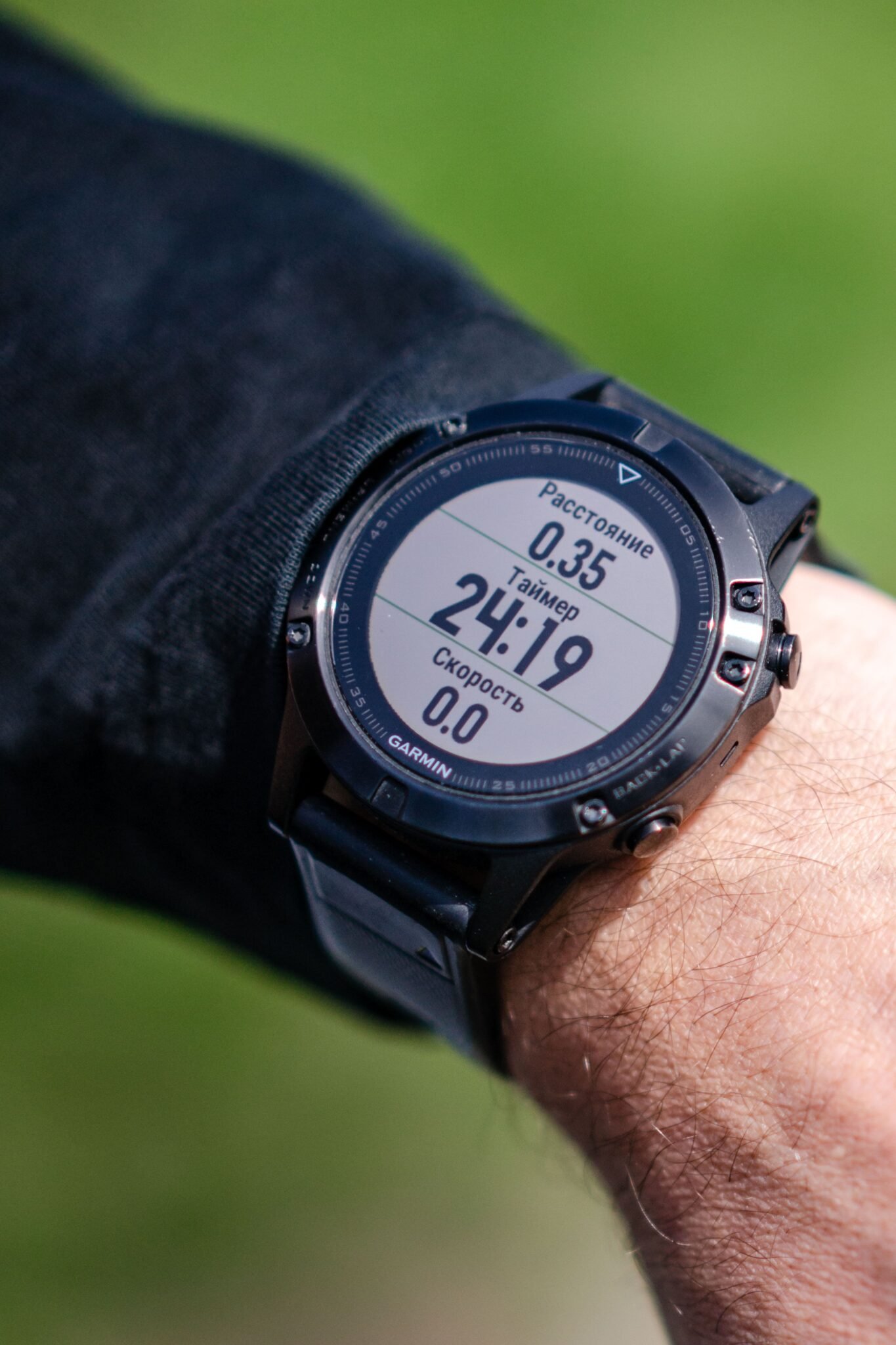
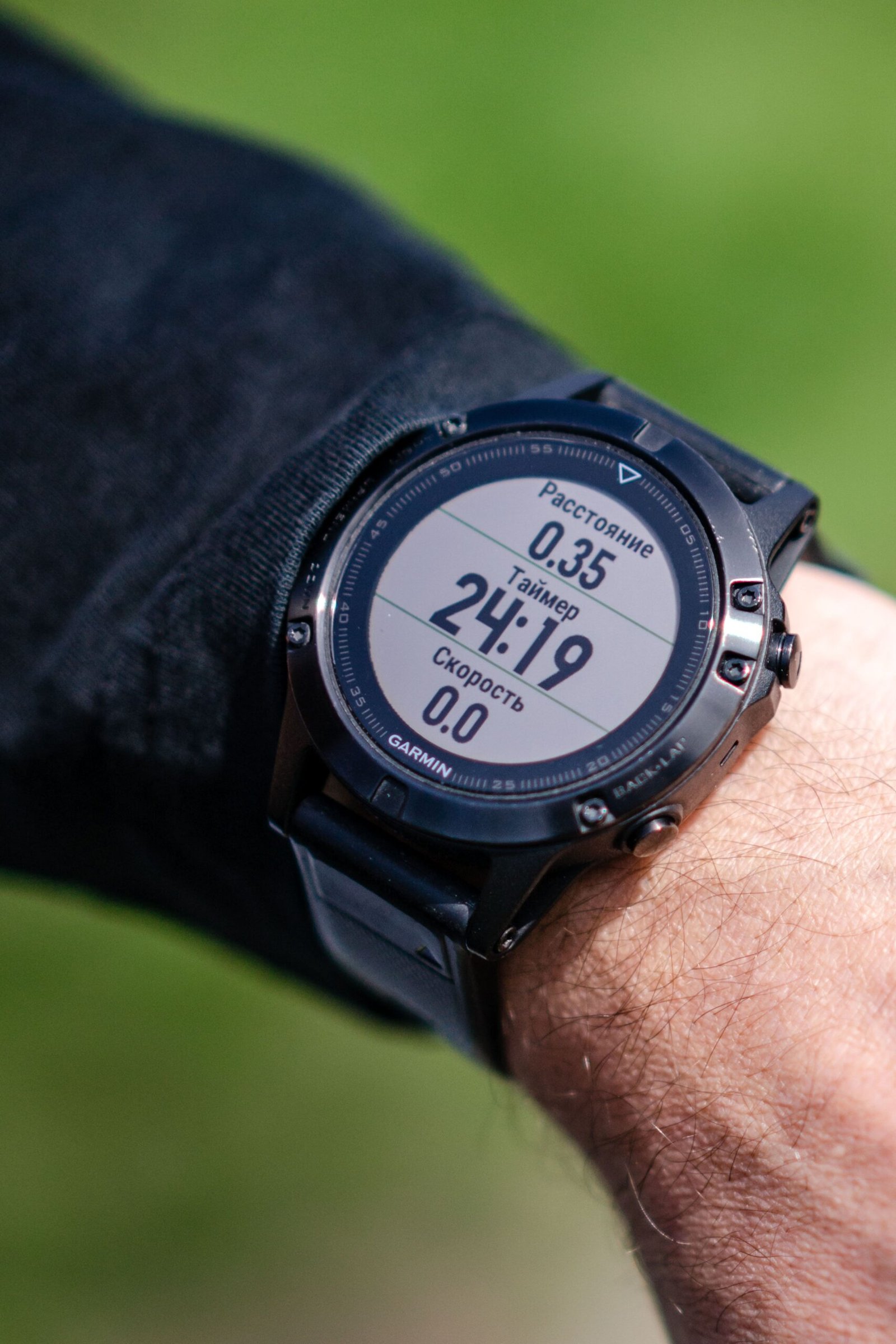
Wearable sports technology refers to devices worn on the body or integrated into clothing and equipment to record information about movement, exertion or physiological responses. The device may store the data, transmit it to a phone or team platform, or combine it with video and other performance information.
In football, these systems are often grouped under the term Electronic Performance and Tracking Systems (EPTS). FIFA explains that EPTS can use camera-based or wearable technologies to track players and, in some systems, the ball. Wearable tracking may be combined with accelerometers, gyroscopes and heart-rate monitors to measure physical load and physiological parameters.
Not every device measures everything. A GPS vest is not a medical diagnostic tool, and a consumer smartwatch is not automatically suitable for elite team-sport analysis. The right technology depends on the sport, the question being asked and the level of measurement accuracy required.
The main types of wearable sports technology
1. GPS and GNSS tracking vests
Small tracking units are commonly placed in a fitted vest between an athlete’s shoulder blades. Depending on the device and software, they can estimate distance covered, speed, acceleration, deceleration, high-speed running and movement patterns. Some units combine satellite positioning with inertial sensors such as accelerometers and gyroscopes.
These systems are particularly useful in football, rugby and field hockey, where coaches want to understand how much running a player completes, how often they accelerate and how the demands of a drill compare with match activity. Satellite-based tracking has limitations indoors, under roofs and in locations where signal reception is poor. For indoor courts and arenas, local positioning systems or camera-based tracking may be more appropriate.
2. Heart-rate monitors and physiological sensors
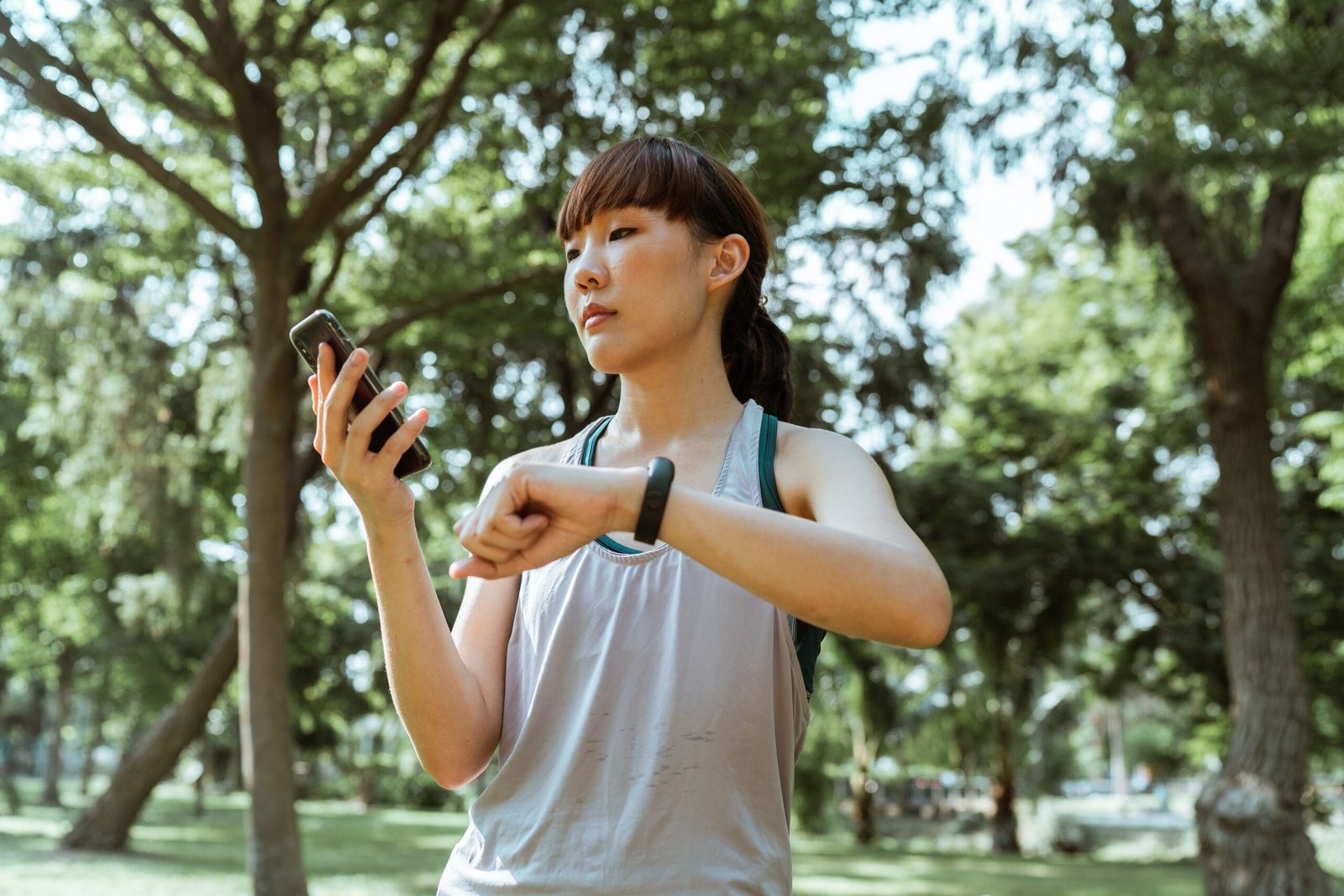
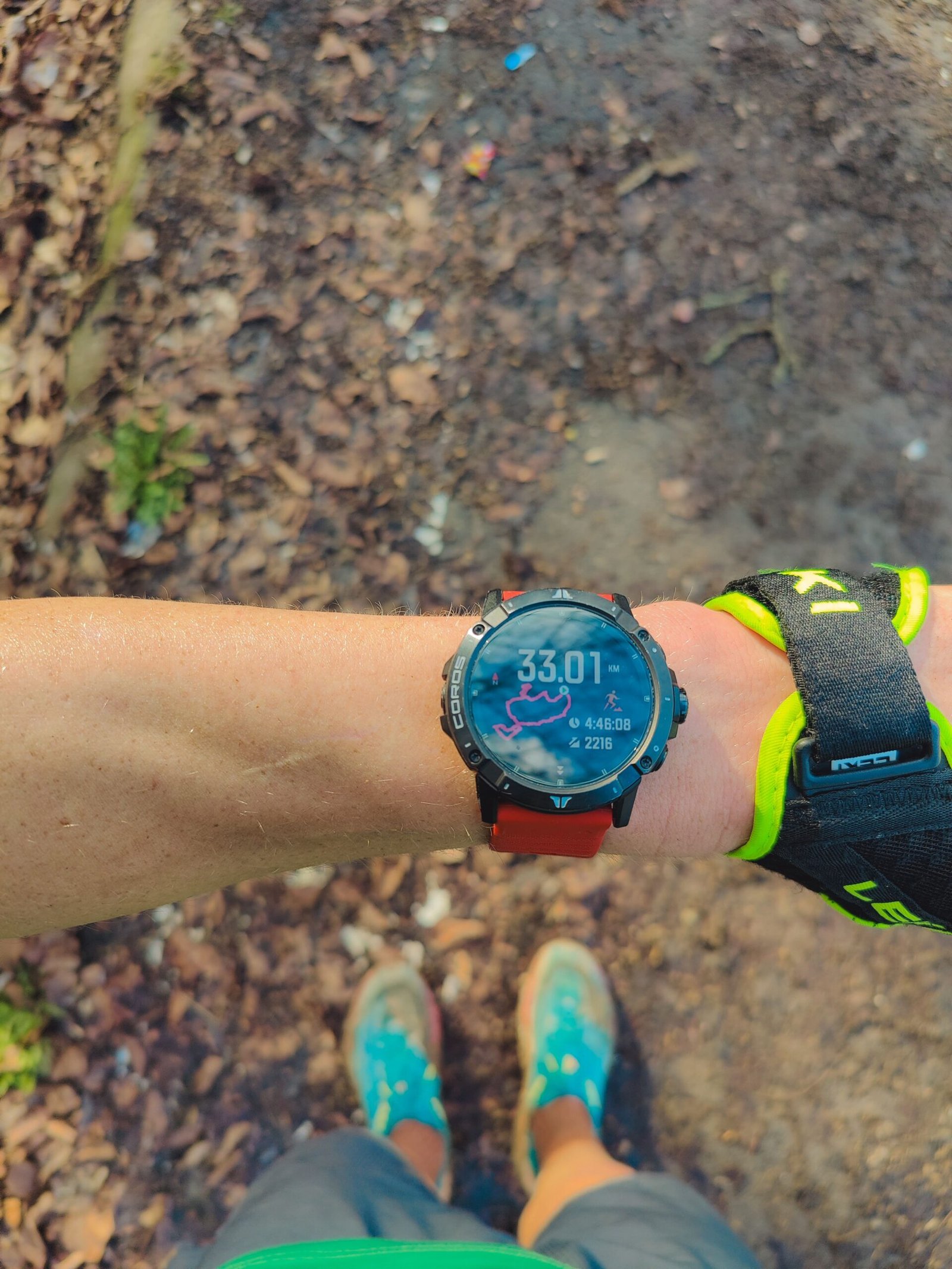
Heart-rate sensors help staff understand an athlete’s internal response to exercise. Chest straps typically use electrical signals, while many wrist-worn devices estimate pulse using optical sensors. The resulting information can help coaches compare the response to different sessions, assess recovery trends and understand whether an athlete is working at the intended intensity.
Heart rate should be interpreted with context. Heat, hydration, stress, illness, sleep, medication and the athlete’s individual characteristics can all affect readings. Optical sensors can also become less reliable during rapid changes of direction, contact or vigorous arm movement. A single reading should not determine whether an athlete is fit to train.

3. Smart clothing and flexible sensor patches
Smart textiles and flexible patches place sensors closer to the movement or physiological signal being studied. Depending on their design, they may capture muscle activity, breathing patterns, body movement, temperature or other signals. The promise is more continuous monitoring without asking athletes to wear several separate devices.
Research is progressing quickly, but many smart-textile systems remain at the development or validation stage. Durability, comfort, sweat, repeated washing, motion artefacts, battery life and the ability to produce consistent readings in real sporting conditions are still important engineering challenges. A promising laboratory result is not the same as a proven, competition-ready product.
4. Inertial sensors and movement-analysis devices
Accelerometers and gyroscopes measure changes in motion and orientation. When positioned on the body, they can help describe movement patterns, repetitions, impact events or technique-related changes. Their role depends on placement, calibration and the model used to interpret the signal.
For coaches, these sensors can make it easier to compare repeated actions. They do not remove the need to watch the athlete, understand the task and check whether the measurement is valid for that particular movement.
How wearable technology is being used across sports
Football: measuring the demands of training and competition
In football, wearable tracking can help performance staff quantify a player’s external load: the physical work completed during a session. Distance, high-speed running, accelerations and decelerations can be considered alongside internal-load measures such as heart rate and the athlete’s reported effort.
This can help coaches compare training drills, monitor changes in workload and understand why two players may respond differently to the same session. The data is most useful when interpreted alongside match footage, position, tactical role, training history and feedback from the player.
FIFA’s Quality Programme for EPTS includes safety and performance testing. Its public information explains that tested systems can receive a FIFA Quality mark, with reports describing the accuracy of positioning and velocity data under different conditions.
Hockey, badminton and other high-performance sports
Wearable monitoring is not limited to football. A September 2026 report by The Indian Express on wearable devices supporting Asian Games athletes described compact tracking units being used in Indian high-performance settings. It reported the use of GPS-based trackers by athletes including PV Sindhu and the Indian women’s hockey team, as well as smaller devices for swimming and rowing measures.
The examples show why sensor choice must match the sport. A hockey player’s movement load, a swimmer’s heart rate and a rower’s stroke rate are different questions. No single wearable should be expected to provide every answer.
Strength training, tennis and swimming
In October 2026, the Indian Institute of Technology Gandhinagar reported work on flexible wearable sensor patches designed to monitor movement during strength training, tennis and swimming. The patches use piezoresistive sensing: when the material deforms with body movement, its electrical resistance changes. A small electronic system sends the signal to a mobile device, where machine-learning models compare movement patterns with reference data.
IIT Gandhinagar described the prototype as being at Technology Readiness Level 5, with testing in real training settings and a patent filing in progress. The team also noted that findings from the current work had not yet been published. It is an interesting Indian research development, but it should be described as a prototype under validation, not a commercially proven performance solution.
What do coaches actually learn from wearable data?
A useful monitoring programme separates two related ideas:
- External load: the work an athlete performs, such as distance, speed, accelerations, jumps or repetitions.
- Internal load: how the athlete responds, which may include heart rate, perceived exertion, recovery feedback and other physiological measures.
Looking at both can make a training review more meaningful. If a player completes a similar external workload but reports unusually high effort, the coaching staff may need to ask about sleep, illness, travel, stress or recovery. The data prompts a conversation; it does not provide the whole explanation.
Wearables can also support longer-term comparisons. A coach may establish an athlete’s normal response to familiar training, identify meaningful changes and adjust the session when other evidence supports that decision. This is more useful than treating one number, one readiness score or one dashboard alert as a verdict.
Can wearable technology prevent injuries?
Wearables can contribute to workload monitoring, rehabilitation tracking and return-to-training discussions. They may help staff notice changes that deserve further assessment. However, they cannot guarantee injury prevention or reliably predict every injury.
The evidence also varies by measurement. A 2026 systematic review in the journal Sports examined 11 studies of wearable devices in team-sport athletes. It found comparatively consistent validity for heart-rate monitoring, while energy-expenditure estimates showed substantial variability and often underestimated demands during intermittent, high-intensity and multidirectional activity. VO2max estimates also varied by device and protocol. The review is a reminder that accuracy must be assessed metric by metric, not assumed for an entire device.
Read the peer-reviewed review: How Valid Are Wearable Devices in Team Sports? A Systematic Review (2026).
For injury decisions, coaches and medical teams should combine athlete feedback, clinical assessment, training history and relevant performance data. A wearable reading should never replace medical advice or be used on its own to clear an athlete to play.
The risks: accuracy, privacy and over-monitoring
Accuracy is not the same across devices
Two products may use different sensors, sampling rates, algorithms and placement. Their outputs may not be directly comparable. Even one device can behave differently during steady running, sprinting, contact, swimming or strength training. Teams should check independent or sport-specific validation and use consistent equipment and methods when comparing data over time.
Athlete data is sensitive
Wearables can reveal more than distance or speed. Health, biometric and tracking records may expose an athlete’s recovery status, injury history, fatigue patterns and other personal information. Clubs and academies should explain what is collected, why it is collected, who can access it, how long it is kept and whether it will be shared with third parties.
FIFPRO’s guidance on player performance data stresses data protection, transparent use and meaningful player participation, including where performance data may be used commercially. Young athletes require particular care: involve parents or guardians as appropriate, explain the purpose in age-appropriate language, restrict access and avoid using monitoring data to label or rank children without clear safeguards.
More monitoring is not always better
Constant tracking can create pressure, distract athletes and encourage staff to chase metrics that do not improve performance. A good system starts with a coaching question, collects only the data needed to answer it and makes the result understandable to the athlete. Technology should support a healthy training environment, not turn every session into a surveillance exercise.
Rules and standards in football
Wearable systems used during football matches must meet safety and equipment requirements. FIFA’s EPTS Quality Programme assesses device safety and performance. UEFA’s equipment regulations, which took effect on 1 June 2026, state that wearable electronic performance and tracking systems may be used on the field of play with referee approval, provided the system is safe and meets the relevant International Match Standard or FIFA Quality requirements.
Clubs should therefore distinguish between devices used in training and devices approved for match use. Check the current competition rules and the device’s certification before using tracking equipment in official matches. See UEFA Equipment Regulations, Article 43.
How academies and clubs can start using wearables
For a grassroots club or academy, the best starting point is not the most expensive platform. It is a clear performance question and a repeatable process.
- Define the question. Decide whether the priority is running load, heart-rate response, movement technique, rehabilitation or session planning.
- Choose the right tool. Match the device to the sport and measurement. Check comfort, durability, battery life, data export, support and validation evidence.
- Run a small pilot. Start with one squad or training group. Test the system in familiar sessions before using it to influence important decisions.
- Build individual baselines. Compare athletes with their own history and role, rather than relying on generic targets or direct comparisons between different devices.
- Combine data with coaching. Use video, observation, athlete feedback and medical input where relevant. Record the decision made, not just the number collected.
- Set data rules before collecting. Agree who owns and accesses the data, what consent is needed, how it is stored and when it will be deleted.
For academies with limited budgets, a small number of validated devices used consistently may provide more value than a large system that nobody has time to interpret.

What comes next for wearable technology in sports?
Three developments deserve attention. First, devices are getting smaller and easier to integrate into existing training equipment. Second, smart textiles and flexible patches are expanding the range of signals researchers can attempt to measure. Third, machine learning is being used to combine movement and physiological signals and identify patterns that may be difficult to see in a single metric.
These developments are promising, but they still depend on good validation, representative datasets, secure data handling and practical coaching workflows. An algorithm trained in one population or sport may not perform equally well for another. The next step is not simply more sensors; it is more trustworthy interpretation.
What this means for Indian sport
India’s sports ecosystem has an opportunity to use wearable technology in both elite programmes and grassroots development. National-level examples show that compact sensors are already part of high-performance environments, while the IIT Gandhinagar project illustrates how local research may contribute to more accessible movement-monitoring tools in the future.
For academies, schools and clubs, adoption should be practical. Begin with coaching needs, staff capability and athlete welfare. A device only creates value when the team can interpret its measurements and turn them into better training. In youth sport especially, the aim should be long-term development, not constant measurement or premature selection decisions.
Nexathlon’s work in Athlete Development and Talent Scouting and Development connects performance assessment with broader athlete pathways. Read our related guides on data-driven scouting in grassroots football, AI in football clubs and academies and smartphone video analysis for coaching.
Frequently asked questions
What is the most common wearable technology in sports?
Sports watches, heart-rate monitors and GPS tracking units are among the most familiar devices. Professional teams may use integrated EPTS platforms that combine positioning with inertial and physiological sensors.
Do wearable devices improve athletic performance?
They can support better training decisions by helping coaches understand workload, movement and physiological responses. The benefit depends on measurement quality, interpretation and how the information is used. A device alone does not improve performance.
Can a GPS vest predict injuries?
No. GPS and other wearable data can support workload monitoring and identify changes that may deserve further review, but they cannot reliably predict or prevent every injury. Clinical decisions require qualified medical assessment.
Are wearable devices suitable for young athletes?
They can be used for specific development or coaching purposes, but the benefits should be clear and age-appropriate. Clubs should explain the data collection, protect privacy, involve parents or guardians as appropriate and avoid turning device scores into labels of a young athlete’s potential.
What should a grassroots academy buy first?
Start by identifying one problem to solve. Depending on the sport, a small number of reliable heart-rate monitors, GPS units or video tools may be enough for a pilot. Check validity, comfort, support and data protection before investing in a larger platform.
Sources and further reading
- FIFA: Electronic Performance and Tracking Systems (EPTS)
- FIFA Quality Programme for EPTS
- How Valid Are Wearable Devices in Team Sports? A Systematic Review (2026)
- IIT Gandhinagar: Wearable sensors to monitor sports training (26 October 2026)
- The Indian Express: Wearable devices supporting Asian Games athletes (14 September 2026)
- FIFPRO: Player Performance Data
- UEFA Equipment Regulations, Article 43