
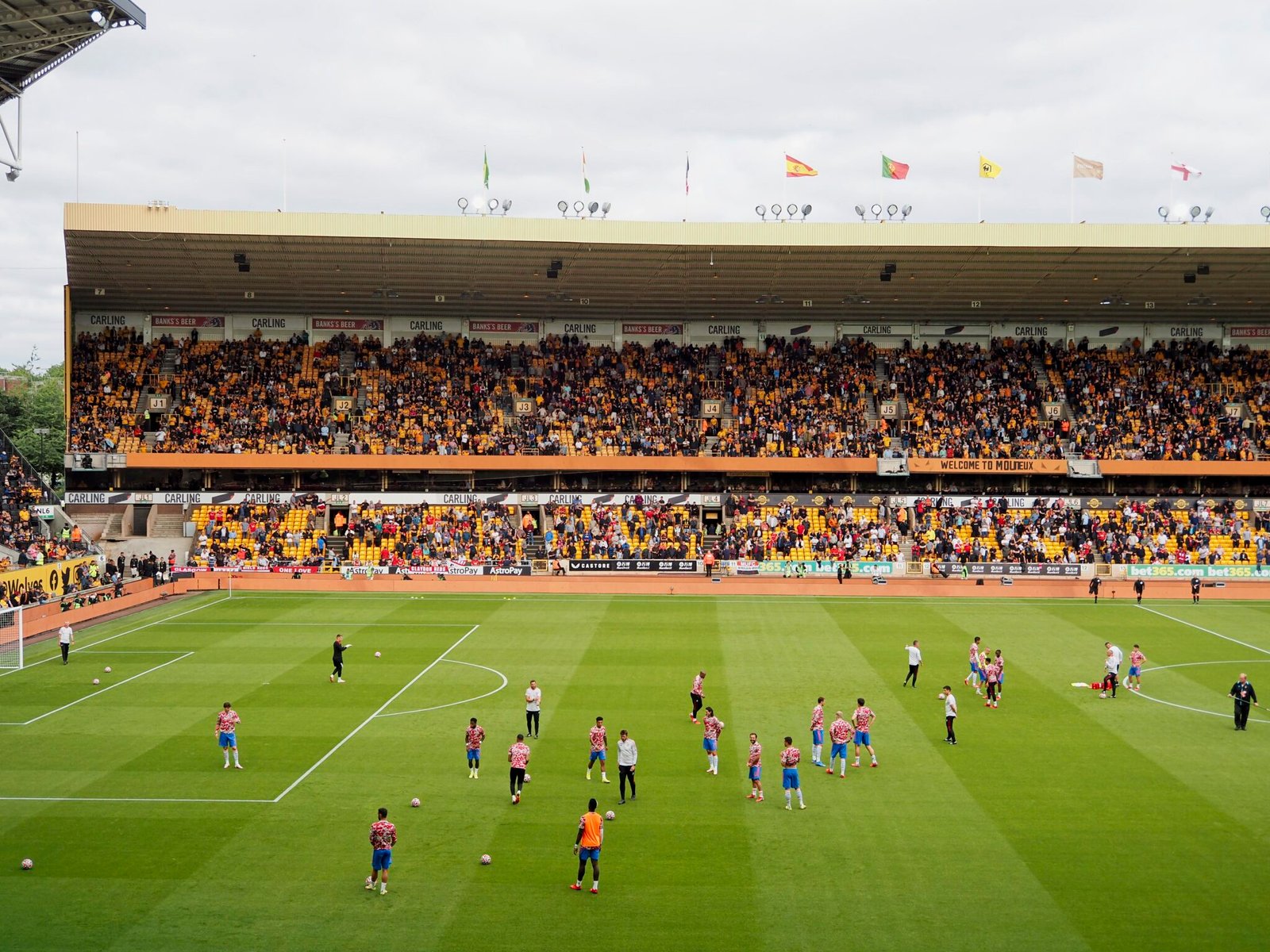
There was a time when Manchester United did not simply expect to win football matches. They expected to shape the season. Opponents arrived at Old Trafford knowing that the pressure would come in waves, the crowd would lift the team, and a late goal was never out of the question. That certainty has disappeared. In its place is a club looking over its shoulder at the bottom of the Premier League table.
On 24 November 2026, United sit 19th after 11 league matches. They have won once, drawn five times and lost five. Fourteen goals scored and 23 conceded leave them with a goal difference of minus nine. They are one point below the teams immediately above them and only one point clear of last place. Manchester United are not just discussing a relegation fight. They are currently in the relegation places.
The position is extraordinary for a club of this size, but it is not a random bad month. The warning signs have been building for years. Poor recruitment, repeated changes in the dugout, unclear football planning and questions about who is ultimately accountable have turned a period of decline into a full club crisis. The 2026 season has brought that crisis into sharp focus.
⚽ The table no longer offers United any protection
The latest figures are difficult to dress up. Eleven matches have produced eight points. United have conceded more than two goals per game on average, while their attack has not scored enough to make up for the defensive problems. The gap to the teams above them is small, but the club has given itself very little room for another run of poor results.
Source: Premier League table and match records. Figures are a snapshot and will change after the next round of fixtures.
The contrast with last season is just as striking. United finished third in 2025/26 with 71 points, 20 wins and a positive goal difference. In a matter of months, a side that had secured a Champions League place has fallen into the bottom three. That change cannot be explained by one injury, one referee’s decision or one difficult fixture.
🏟️ Liverpool made the crisis impossible to ignore
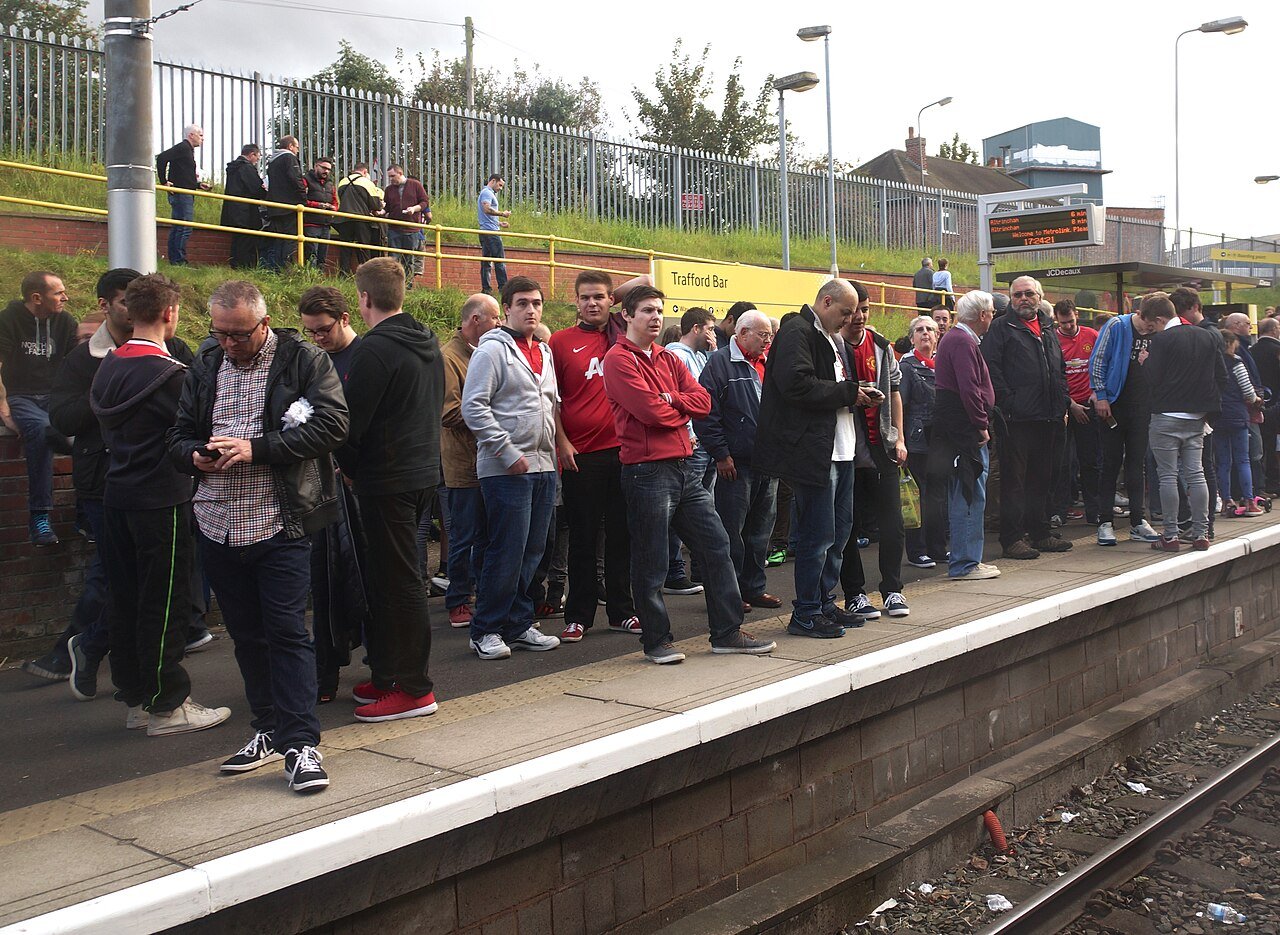
The 4 to 0 defeat at Liverpool on 22 November was a brutal first afternoon for Mauricio Pochettino. Leny Yoro was sent off in the eighth minute after bringing down Alexander Isak. Liverpool scored from the resulting free kick and added a second three minutes later. With United reduced to ten men so early, the match changed dramatically before the visitors had time to settle.
That context matters. A game played with ten men for more than 80 minutes is not a fair measure of everything a team can do. Liverpool were able to dominate territory and keep United under pressure. The scoreline was severe, but the early dismissal shaped the contest.
It does not, however, explain why United arrived at Anfield in 19th place. The defeat followed a run in which the club had managed only one league win in ten matches under Michael Carrick. The poor defending, lack of control and fragile confidence were already there. Pochettino inherited the problem. He did not create it in one afternoon.
There is a difficult question for the new head coach. How much of this is a tactical problem, and how much is a group of players who have lost belief in the plan around them? The answer is probably both. United need better organisation, but they also need players who can respond when a match turns against them.
🔁 A club that keeps starting again
Sir Alex Ferguson’s retirement in 2013 marked the end of one of the most successful managerial eras in English football. It was always going to be difficult to replace a figure who had shaped the club for more than two decades. The mistake was not simply that the first successor struggled. It was that United never built a stable football structure capable of surviving a change of manager.
Since Ferguson left, the club has moved through different managers, different playing ideas and different versions of what a Manchester United team should look like. Some appointments brought trophies. Others brought short periods of progress. None has produced a lasting return to the level the club expects. The recent cycle has become especially costly, with three permanent managers appointed in less than three seasons.

Changing the manager can be necessary. Keeping a coach who is failing is not a serious strategy. But changing the coach without addressing the reasons the previous appointment failed simply moves the problem into another office. A new manager needs a clear brief, a squad built for his football and senior decision makers who agree on the direction of travel.
United have too often asked the head coach to become the solution to problems that extend beyond the training pitch. When results fall, the manager becomes the public face of the crisis. The recruitment structure, executive decisions and ownership model receive less immediate scrutiny. That imbalance has to change if the club wants the next rebuild to last.
🧩 Recruitment has been expensive, but not coherent enough
United have had the resources to buy elite players. What they have not consistently demonstrated is the ability to build a balanced team. Spending large transfer fees is not the same as building a squad. A club can sign talented individuals and still end up with gaps in important positions, players who need the same spaces and a midfield that does not fit the way the coach wants to play.
BBC reporting on CIES Football Observatory figures in 2024 placed Manchester United among Europe’s biggest spenders since 2015, with gross transfer spending of about €1.95 billion. The same report highlighted one of the largest negative net spends in the game. Those numbers do not prove that every signing was wrong. They do raise a straightforward question: what has the club built with all that investment?
The latest recruitment debate has been no less pointed. Reuters reported on 20 November that United had spent around £150 million on three midfielders in the summer while questions remained about cover in other areas, including left back. The club’s chief executive defended the strategy and said United would remain disciplined in the market. That is the right principle, but it must be matched by better decisions.
A recruitment department should be able to explain how every signing fits the manager’s plan, what role the player is expected to perform, what alternatives were considered and how the squad will look two seasons later. It should not be a list of famous names or a reaction to the latest defeat. United need a connected recruitment plan, not another expensive collection of separate solutions.
🛡️ The football problem is visible in the goals conceded
United have conceded 23 goals in 11 league matches. That is more than two per game. A team can survive a difficult period in front of goal if it is organised at the other end. It can also survive defensive mistakes if it scores regularly. United have not found either protection consistently enough.
The problem is not limited to the back four. Defending begins with the distance between the forwards and the midfield, the pressure on the ball, the cover behind the first challenge and the team’s ability to recover when possession is lost. If those parts do not work together, defenders are left facing repeated attacks with too much ground to cover.
Pochettino’s first task is to make the team harder to play through. That may require a simpler defensive shape, clearer pressing triggers and more discipline when the ball is lost. It may also mean leaving some attacking ambition aside for a few weeks. A club in 19th cannot treat every match as a statement of style. It needs points.
United also need to make better use of the ball. Too many attacks must end with a rushed pass, an isolated forward or a hopeful delivery. Retaining possession is not valuable for its own sake. It matters because it gives a team control over the pace of a match and reduces the number of times its defenders have to deal with danger.
🏛️ Ownership and football leadership still need clear answers
Manchester United’s ownership structure is more complicated than the simple story of one new investor taking control. INEOS and Sir Jim Ratcliffe have a major role in football operations, but the club’s 2026 annual filing shows that entities controlled by the Glazer family still hold 67.91 per cent of the voting power. INEOS holds 28.95 per cent. Those figures matter because ownership, voting control and responsibility for football decisions are not exactly the same thing.
Supporters are entitled to ask who has the authority to set the club’s direction and who answers when that direction fails. A modern football operation needs clear lines between ownership, the board, the sporting leadership, recruitment and the head coach. If people can influence a decision but nobody clearly owns its outcome, accountability becomes difficult.
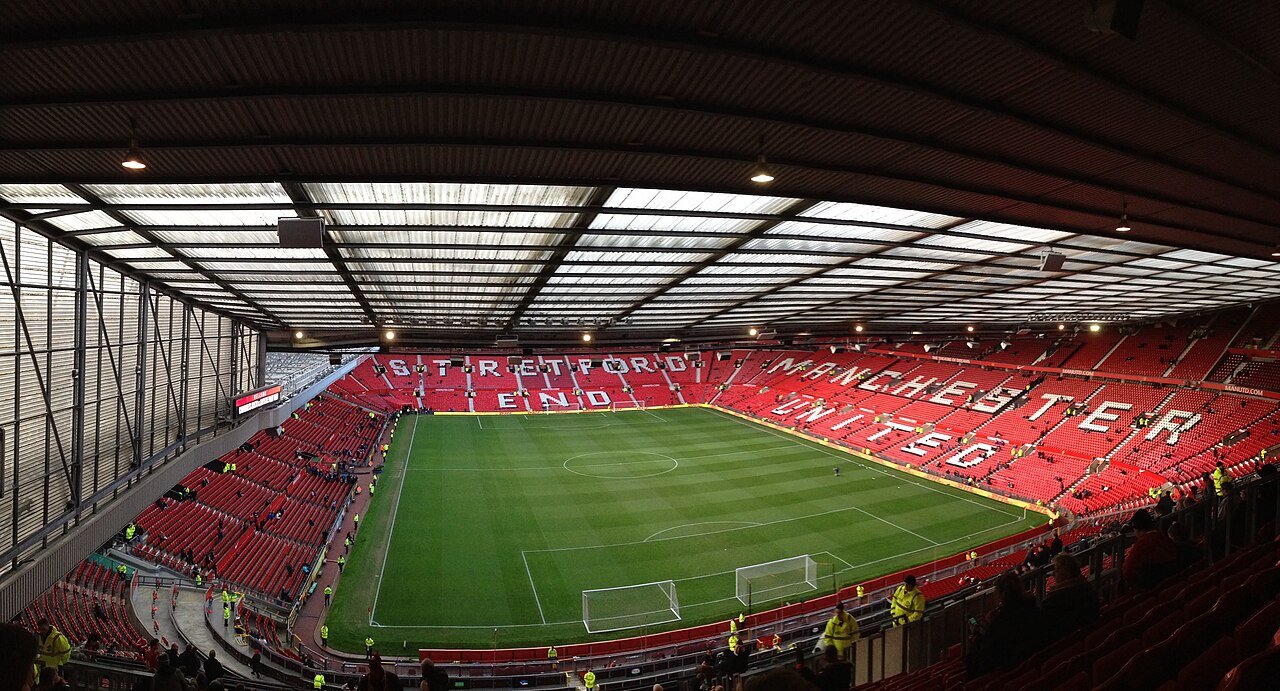
The club has spoken about long term change at Old Trafford, including its ambition for a new 100,000 seat stadium and the regeneration of the surrounding area. That is a major project with potential benefits for the club and the local community. But a new stadium cannot defend a corner, choose the right midfield partnership or turn eight points into twenty. The football operation has to earn the future the building is meant to represent.

💷 The financial pressure behind the football crisis
The club is not short of commercial reach. Its first quarter results for the 2027 financial year reported revenue of £146.1 million, up from £140.3 million in the same period a year earlier. Adjusted EBITDA was £27.5 million. However, the club recorded an operating loss of £3 million, compared with an operating profit of £13 million in the previous year’s first quarter.
Reuters reported that the quarterly net loss widened to £18.1 million from £6.6 million a year earlier, while debt increased by $125 million year on year to $775 million. United maintained its annual revenue and adjusted EBITDA forecasts. That is important context. The club is not announcing that it has run out of money, and its revenue remains substantial. But debt, losses and the cost of a large squad reduce the room for mistakes.
Relegation would make that pressure much worse. The club would face a sharp change in broadcast income, commercial negotiations and the value of its playing assets. A Premier League giant dropping into the Championship would be one of the biggest shocks in English football, but the financial consequences would be real. The risk is not just sporting embarrassment. It is the possibility of a much more difficult rebuild.
🧠 What Pochettino must change first
The new head coach cannot repair the entire institution in a month. He can, however, make the next few weeks look different. The order of work matters.
- Make the team difficult to break down. Reduce the space between the lines, defend transitions with more players behind the ball and improve the protection in front of the centre backs.
- Choose a dependable core. The team needs a settled goalkeeper, centre back partnership, midfield base and attacking reference point. Constant changes make it harder for players to build trust.
- Give players clear roles. A player should know where to stand when United have the ball, what to do when they lose it and which spaces teammates are expected to occupy.
- Take pressure out of the first phase of matches. United have conceded early goals and made their own task harder. The first 15 minutes need focus, control and sensible decisions.
- Keep the January window disciplined. A poor run can make every position look like a transfer emergency. The club should only buy when the player solves a clearly identified problem.
- Reconnect the squad with the supporters. The crowd can lift a team, but it needs to see effort, responsibility and a recognisable plan. Players have to give supporters something to believe in.
None of these steps is revolutionary. That is precisely the point. United do not need another grand statement about a new era before they can defend properly. They need the basics to become reliable again.
📉 Is Manchester United really in danger of relegation?
Yes. The danger is real because the club is in the bottom three and has collected only eight points from 11 matches. It would be misleading to dismiss the table because of United’s history, commercial power or squad value. Relegation is decided by points, not by the size of a badge.
It would be just as misleading to say that relegation is inevitable. There are 27 league matches still to play and 81 points available. One good month could move United away from the bottom three. A sustained run of poor defending and dropped points could make the position much worse. The next stretch of fixtures will tell us more about the team’s response than the club’s reputation ever can.
The most useful question is not whether Manchester United are too big to go down. No club is too big. The question is whether the people responsible for this team can recognise the scale of the problem and make the right decisions quickly enough.
🏁 The fall of Manchester United is a warning about how football clubs are run
Manchester United’s current position is the visible end of a much longer story. A club that built its reputation on continuity has spent years changing managers, rebuilding squads and promising a fresh beginning. The money has continued to flow. The global audience has remained. Yet the football has become fragile, and the distance between the institution’s reputation and its results has grown wider.
There is still time to avoid the worst outcome. Pochettino has enough matches to change the season, and the squad has enough quality to climb the table. But the rescue cannot depend on one coach alone. United need a settled football plan, recruitment that serves that plan and leaders who accept responsibility when it fails.
For now, the league table tells a story that no press conference can soften. Manchester United are 19th. The club that once set the standard is fighting to stay in the division. The badge still carries history. The next results will decide what happens to its present.
❓ Frequently asked questions
1. What position are Manchester United in the Premier League?
As of 24 November 2026, Manchester United are 19th after 11 Premier League matches, with eight points from one win, five draws and five defeats.
2. Are Manchester United currently in the relegation zone?
Yes. Nineteenth place is inside the bottom three. United are one point below the teams immediately above them and one point ahead of the side in 20th place.
3. Who is Manchester United’s manager in November 2026?
Mauricio Pochettino joined as head coach in November 2026 after Michael Carrick left the role. Pochettino’s first Premier League match in charge ended in a 4 to 0 defeat at Liverpool.
4. How did Manchester United perform in the 2025/26 Premier League season?
United finished third in 2025/26 with 71 points, winning 20, drawing 11 and losing seven of their 38 league matches.
5. Can Manchester United still avoid relegation?
Yes. There are 27 league matches remaining and 81 points still available. The club must improve quickly, particularly in defence, but the current position does not make relegation inevitable.
📚 Sources and further reading
- Premier League: 2026/27 table and standings
- Reuters: Liverpool defeat Manchester United 4 to 0 in Pochettino’s first match
- Manchester United PLC: First quarter fiscal 2027 results, 19 November 2026
- Reuters: United leadership responds to criticism of club strategy and managerial turnover
- Manchester United PLC: 2026 annual filing and ownership details
- BBC Sport: Manchester United’s transfer spending and Premier League spending culture
- Manchester United: Old Trafford regeneration and stadium plans
About Nexathlon
Nexathlon covers the business, people and decisions shaping modern sport. Through football analysis, athlete development and sports management, we look beyond the scoreline to understand what makes teams and sporting organisations succeed.
Follow the story beyond the result
Read our coverage of the latest Manchester United developments, explore football development and scouting, or speak with the Nexathlon team.