
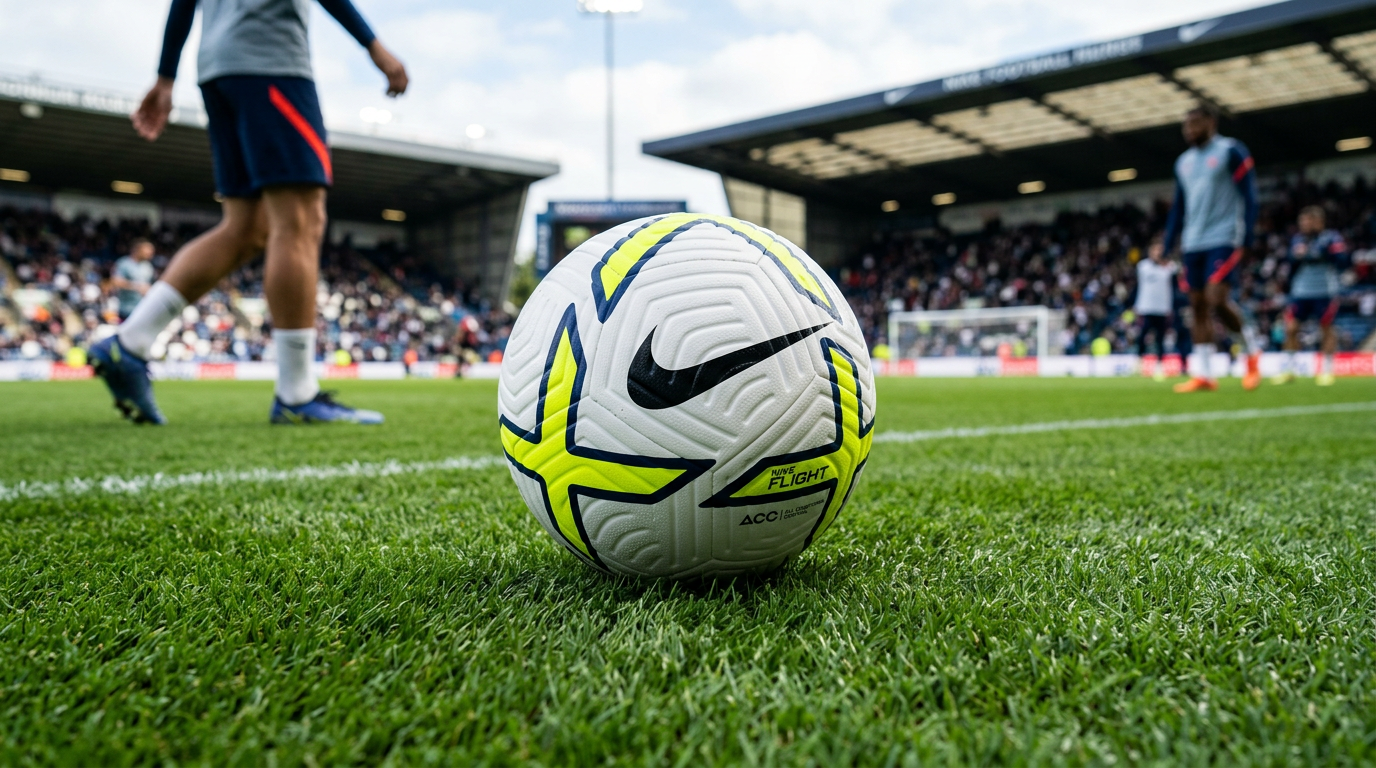
Nexathlon | Football Business
A new supplier, a major commercial shift. Nike will take over UEFA men’s club competition match balls from 2027/28, ending Adidas’s long-running Champions League association.
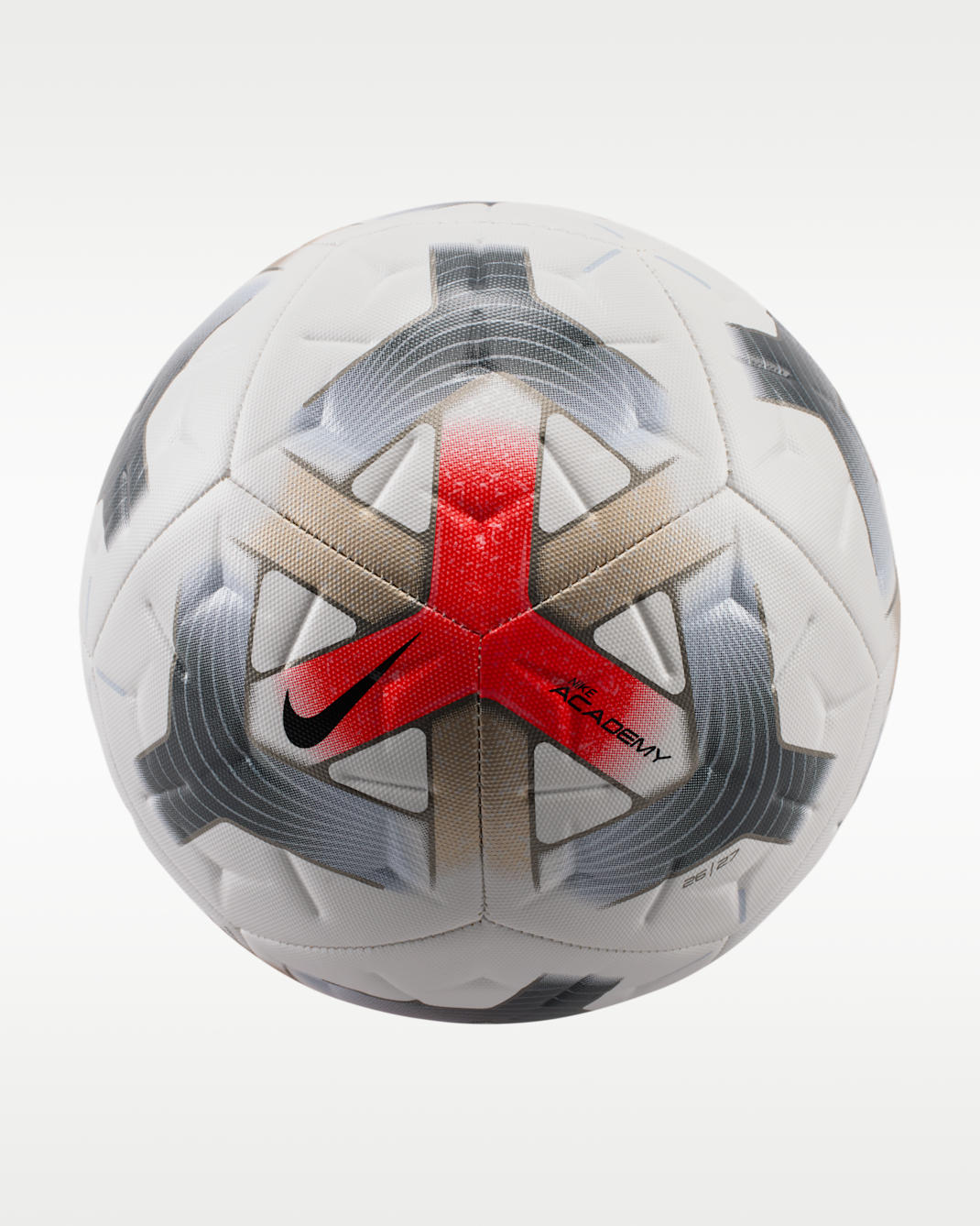
The Nike UEFA match ball deal is a major football sponsorship and sports business development. The Nike UEFA match ball deal marks one of the most significant commercial changes in European club football ahead of the 2027/28 season. From that campaign, Nike will replace Adidas as the official match ball provider for UEFA’s men’s club competitions under an agreement running from 2027 to 2031. The change is about more than the ball on the pitch: it highlights the commercial value of sporting rights, brand visibility and long-term partnerships.
What has UEFA announced?
On 16 November 2026, UC3 confirmed that Nike will supply official match balls for the UEFA Champions League, UEFA Europa League and UEFA Conference League, as well as the UEFA Super Cup, UEFA Youth League and UEFA Futsal Champions League. It is the first time all three of UEFA’s major men’s club competitions will have the same official match ball provider.
The agreement followed a competitive tender process launched in March 2026 by UC3 and its agency, Relevent Football Partners. The official announcement does not disclose the financial value of the contract. Media estimates should therefore be treated as reported figures, not confirmed contract terms.
🏆 Competitions covered

The end of an iconic Adidas Champions League era
Adidas has been closely associated with the Champions League match ball since 2001, when its star design became part of the competition’s visual identity. The ball became instantly recognisable through live broadcasts, stadiums, highlights and football culture around the world. Adidas will remain the supplier for the remainder of its current arrangement, with the 2026/27 season marking the final campaign before Nike takes over.
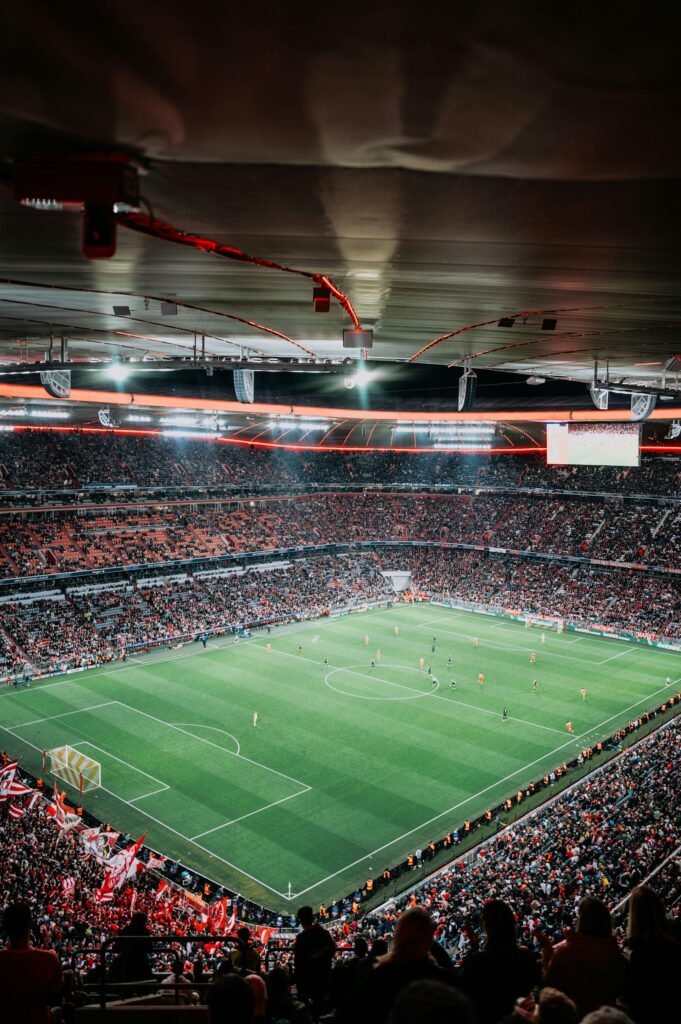
The new Nike match ball designs have not yet been revealed. UEFA and Nike have said further details will be announced in due course. Until then, it is too early to say whether familiar visual elements will remain or whether a new design direction will be introduced.
Why the deal matters for Nike
The Nike UEFA match ball deal gives the brand a prominent position across several major competitions. Unlike many sponsorship assets, the match ball is involved in every phase of play. It appears in passes, shots, set pieces and decisive match moments, providing repeated visibility during broadcasts and digital coverage.
1. A connected portfolio of competitions
Supplying the Champions League, Europa League and Conference League under one agreement gives Nike a consistent platform across UEFA’s main men’s club competitions. That can support coordinated product launches, campaigns and audience engagement across several tournaments.
2. Youth football and futsal visibility
The inclusion of the UEFA Youth League and Futsal Champions League extends the partnership beyond the senior game. These competitions connect brands with developing players, coaches, academies and different playing formats. Brand exposure should not, however, be confused with evidence that a particular ball improves player development.
3. Product innovation and athlete feedback
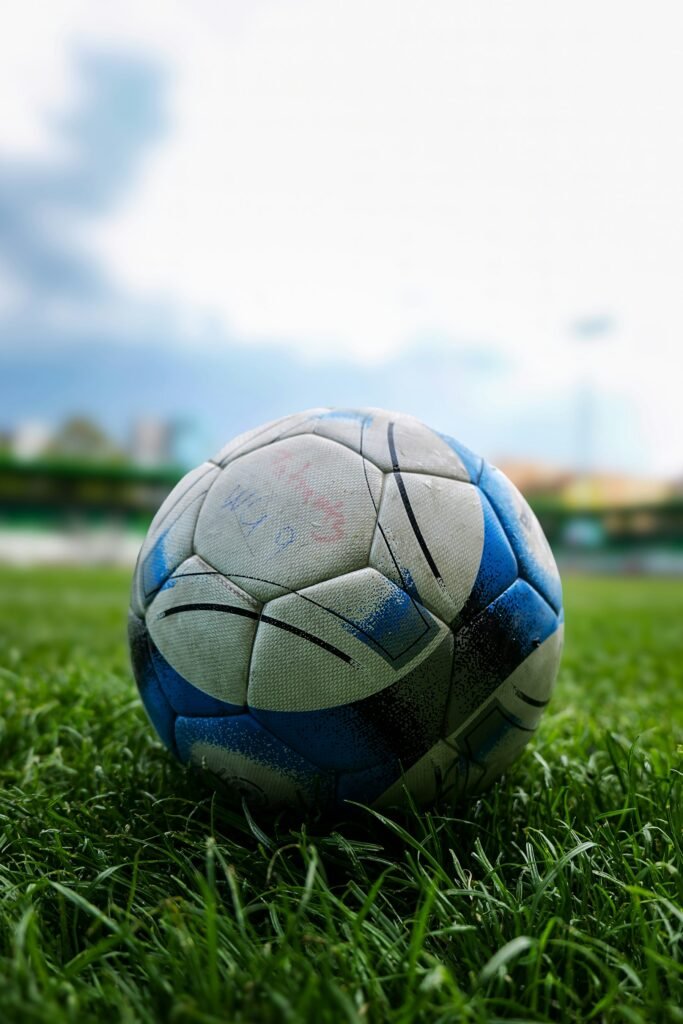
Nike has highlighted athlete feedback and innovation as priorities. Relevant areas for match-ball development include flight consistency, touch, durability and performance in different playing conditions. Specific technical improvements should only be assessed once the new product specifications are published and independently evaluated.
What does this mean for Adidas?
The change ends a prominent chapter in Adidas’s relationship with UEFA men’s club football, but it does not mean Adidas is leaving football. The company remains a major football equipment brand with other club, national-team, athlete and product relationships. The wider lesson is that even long-standing commercial relationships can change when rights holders review their strategy and suppliers compete for valuable properties.
Why a single-supplier model matters in football sponsorship
The Nike UEFA match ball deal also gives sports marketers a useful example of how official match ball rights can connect brand visibility, product storytelling and multi-competition sponsorship. For clubs and event organisers, the lesson is to build football sponsorship packages around credible audience engagement and measurable value.
One supplier across the Champions League, Europa League and Conference League creates a more unified commercial and product environment. It can simplify planning for production, distribution and marketing, although the practical implications for clubs and equipment staff will depend on the final product specifications and supply arrangements.
The agreement also illustrates how football rights are packaged. UC3 unites UEFA and European Football Clubs around the commercial management of UEFA club competitions. It oversees the sale and delivery of commercial rights, including media, sponsorship and licensing. The match-ball agreement is one example of how a sporting asset can be developed into a multi-competition partnership.
Lessons for sports businesses and sponsors
A product embedded in the sporting experience can become a powerful marketing platform.
Partnerships become stronger when they connect audiences, competitions and useful activation opportunities.
A clear strategy, activation plan and measurement approach matter beyond the announcement day.
Sporting products can become marketing platforms
A match ball is essential equipment, but an official competition ball also carries the identity of the event. Businesses should consider how their products and services contribute to the sporting experience rather than relying only on logo placement.
Rights packaging can increase partnership value
A partnership can become more compelling when it connects several competitions, audiences and content opportunities. Clubs, academies and event organisers can apply the principle at their own scale by building sponsorship packages around genuine audience access, community participation and measurable benefits.
Partnerships need a long-term plan
A multi-season agreement creates time to build product recognition and meaningful engagement. Sports organisations seeking commercial partners need a clear proposition, activation plan, audience strategy and a way to evaluate results.
What could the change mean for India and the UAE?
Although the agreement concerns UEFA competitions, its visibility will extend to international audiences through broadcasts, highlights, social media and football retail. For sports businesses in India and the UAE, it provides a case study in how global brands connect sporting properties with commercial objectives.
Clubs, academies and tournament organisers can learn from the way a major rights holder packages assets, communicates partner value and develops a long-term relationship. The agreement itself is not a direct commercial partnership with Indian or UAE football organisations; its local significance is primarily through audience reach, brand visibility and lessons for sports business development.
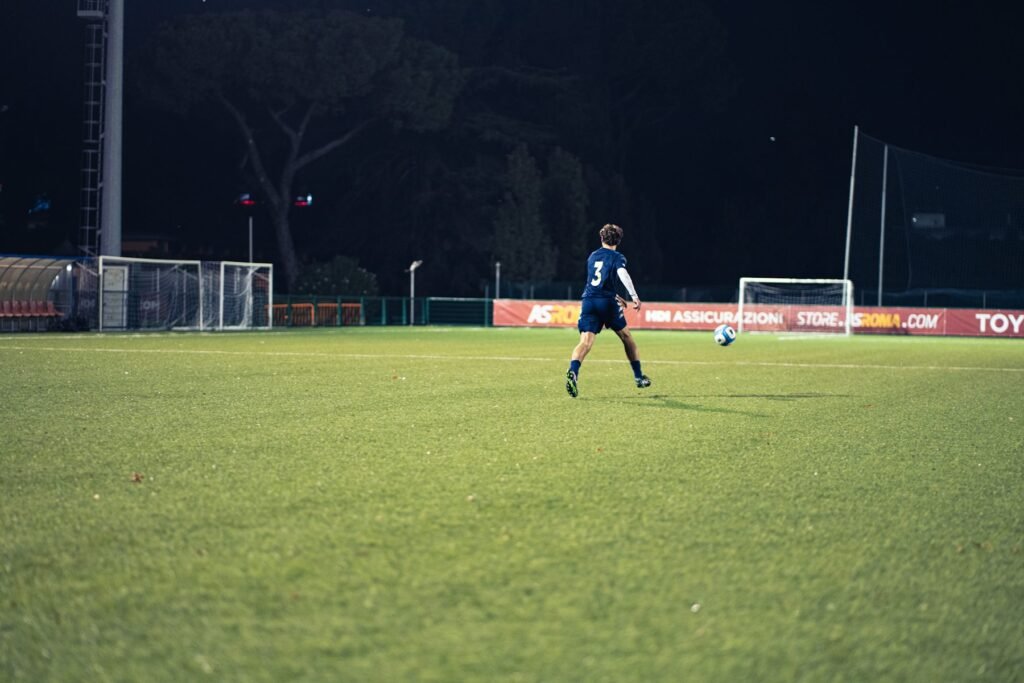
For organisations working across athlete development, sports marketing and commercial partnerships, the announcement reinforces the value of understanding what happens both on and off the pitch.
What should supporters look out for before 2027?
- ⚽ New ball design: Nike and UEFA have not yet revealed the designs.
- 🧪 Technical specifications: Materials, construction and performance claims should be checked when product details are released.
- 📣 Commercial activation: Watch for product launches, campaigns and fan engagement activity.
- 🌱 Youth and futsal products: The expanded competition portfolio creates opportunities across different playing environments.
- 📅 The final Adidas season: The 2026/27 campaign is the last season of the current arrangement.
The bigger picture: football is also a business of identity
Viewed through a sports business lens, the Nike UEFA match ball deal is about more than equipment: it is a change in official match ball rights, brand partnership strategy and the commercial identity of European club football.
The Nike UEFA match ball deal also illustrates how football sponsorship, official match ball rights and brand partnerships create value. The deal is a reminder that football’s most familiar objects can carry value far beyond their practical function. A match ball is essential equipment, a recognisable competition symbol and a platform for a global commercial partnership.
For Adidas, the change marks the end of a major chapter. For Nike, it creates an opportunity to return to one of football’s biggest stages. For UEFA and its commercial partners, it demonstrates the value of managing sporting rights across a portfolio of competitions.
For the wider sports industry, the lesson is clear: successful partnerships connect the identity of a sporting property with a brand’s objectives and the expectations of its audience. Football may be played with one ball, but the business behind it involves an entire ecosystem.
Frequently asked questions
When will Nike become the UEFA Champions League match ball supplier?
Nike will take over from the 2027/28 season under an agreement running through 2030/31.
Which UEFA competitions are covered?
The announced agreement covers the Champions League, Europa League, Conference League, Super Cup, Youth League and Futsal Champions League.
Will the Champions League star-ball design disappear?
No new design has been officially revealed in the announcement. Its visual direction remains to be confirmed.
Why is this deal important for sports business?
It illustrates how major sporting competitions package commercial rights, attract global brands and create marketing opportunities across different audiences and tournaments.
Nexathlon perspective
The future of sport will be shaped by the relationship between performance, development, technology and commercial strategy. Partnerships like this show why sports organisations need to understand more than what happens on the pitch. Brand positioning, audience engagement, sponsorship activation and long-term business development are equally important parts of the modern sports ecosystem.
Build your place in the sports ecosystem
Explore Nexathlon’s sports services
From athlete development and talent scouting to sports marketing and commercial growth, discover how Nexathlon supports the next era of sport.
Sources and further reading
- UEFA: Nike to become UEFA men’s club competition official match ball provider, 16 November 2026
- UC3: Official match-ball partnership announcement
- Reuters: Nike replaces Adidas as UEFA men’s club competitions ball supplier
- Associated Press reporting carried by The Washington Post
Photography note: Images are illustrative editorial photographs sourced from Unsplash and are not official Nike or UEFA campaign imagery. Photographer credits and Unsplash licensing details are recorded with the corresponding WordPress media items.